
orders@whiteforest.co.in
(+62) 8152 254 239
Malad (E), Mumbai - 400097
Ayush Gupta
March 30, 2025
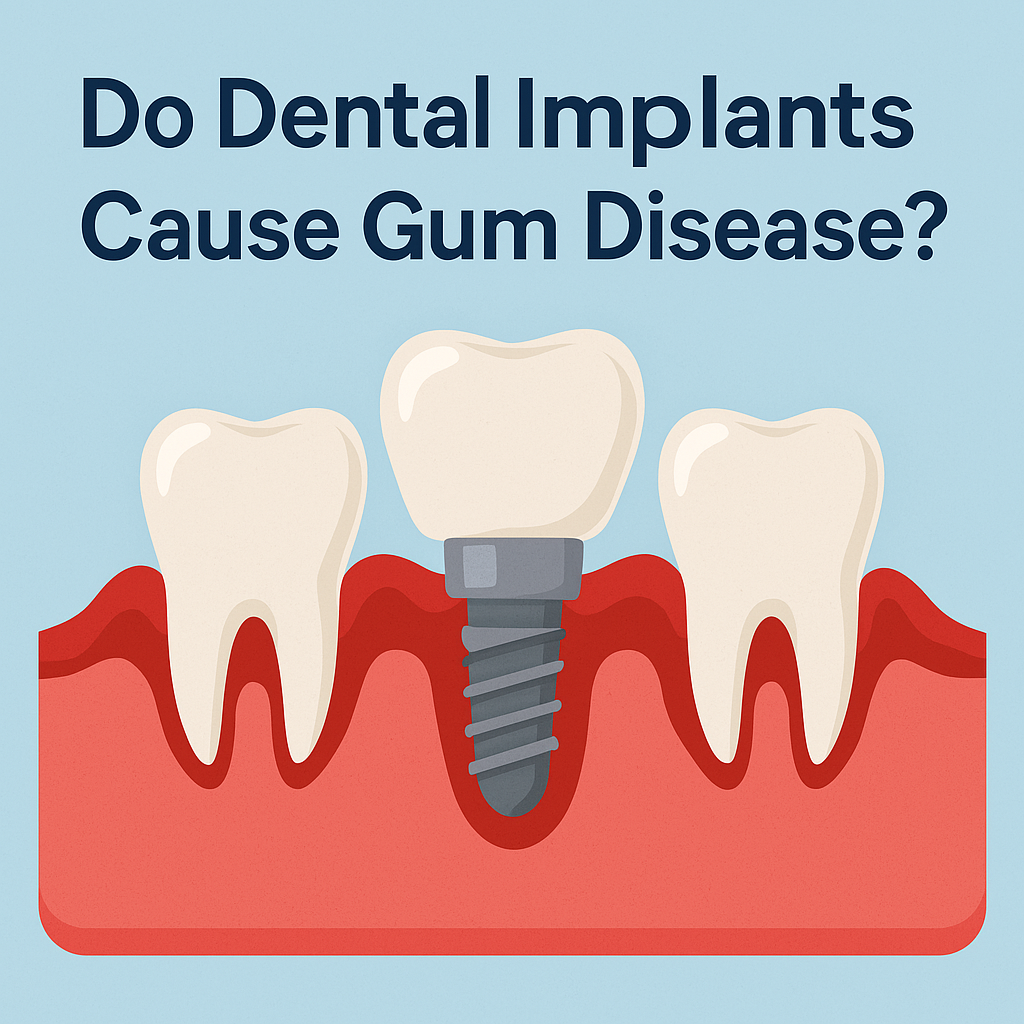
Dental implants have become popular today and function effectively as a replacement for missing teeth. These types of implants are famous because of their long-lasting nature and desire to restore things naturally. There is an increasing concern that dental implants can cause gum problems. To understand this better, let us look first at the definition of dental implants, gum disease, and whether dental implants can be responsible for gum disease.
Dental implants have gained significant popularity as a reliable solution for replacing missing teeth. They are well-known for their durability and the ability to restore a natural appearance. However, there is growing concern about whether dental implants might contribute to gum issues. To explore this further, let’s first understand what dental implants are, what gum disease entails, and whether implants play a role in its development.
Gingivitis: This is the initial stage of gum disease, characterized by redness, swelling, and bleeding of the gums. It is usually mild and can be effectively managed with proper oral hygiene practices.
Periodontitis: If left untreated, gingivitis can progress into a more severe form of gum disease known as periodontitis. At this stage, the infection spreads deeper into the gums and bone, increasing the risk of tooth loss.
Gum disease primarily develops due to poor oral hygiene, which increases the risk of infection. Contributing factors include smoking, genetic predisposition, underlying medical conditions, and the use of dentures.
Dental implants themselves do not directly lead to gum disease. However, improper maintenance and neglect can contribute to conditions that resemble gum disease.
In fact, dental implants are often a better alternative to traditional bridges and dentures as they do not exert excessive pressure on neighboring teeth. However, certain factors can increase the risk of gum complications with implants:
Inadequate Oral Hygiene: Just like natural teeth, implants require regular brushing and flossing. Neglecting oral hygiene can lead to plaque accumulation, which may cause inflammation around the implant—a condition known as peri-implantitis.
Smoking: Frequent smoking weakens the body’s ability to heal and reduces blood circulation in the gums, making it harder to fight infections. This increases the risk of complications around dental implants.
Improper Implant Placement: If an implant is not positioned correctly, it can irritate the surrounding gum tissue, creating an environment where bacteria thrive and infections develop.
Skipping Dental Checkups: Regular dental visits are essential after an implant procedure. Routine check-ups allow dentists to monitor the implant and surrounding gums, helping to prevent potential issues before they escalate.
Maintaining good oral hygiene, avoiding harmful habits, and scheduling regular dental visits can significantly reduce the risk of complications, ensuring the long-term success of dental implants.
Dental implants do not directly cause gum disease, but without proper care and maintenance, they can lead to complications affecting gum health. Maintaining good oral hygiene, including regular brushing and flossing, is essential to prevent plaque buildup around the implants. Routine dental checkups play a crucial role in monitoring the condition of both the implants and surrounding gum tissues, ensuring any potential issues are detected early. Following your dentist’s recommendations for implant care can significantly reduce the risk of infections and other oral health concerns.
Sed ut perspiciatis unde omnis iste natus delavirot voluptatem accusantium doloremque laudanti totam aperiam inventore veritatis congueu.
Sed ut perspiciatis unde omnis iste natus feria delavirot voluptatem accusantium.
Designed by The Third Eye IT Solutios
Copyright © 2024. All rights reserved.